Build a Striking Gallery Wall Without a Single Nail

Today we explore creating gallery walls with damage-free hanging systems, turning bare walls into expressive stories while keeping paint, plaster, and landlord peace intact. You will learn smart planning, reliable hardware choices, surface preparation, styling principles, and removal techniques that safeguard your space. Expect proven tips, small experiments, and renter-friendly tricks that help art feel intentional, secure, and wonderfully flexible. By the end, you can hang confidently, revise boldly, and redecorate without fear, all while celebrating art that truly feels like you.

Start with a Visual Story

Before any adhesive touches the wall, define the feeling you want to experience every time you pass the display. Consider how colors echo your furnishings, how personal memories mingle with prints, and how scale supports comfort rather than shouting for attention. Clarity at this stage prevents noisy arrangements, reduces returns, and guides every following decision. Even small choices, like repeating a frame finish, quietly organize complexity. Thoughtful intention now ensures your art reads as one conversation, not competing monologues.

Adhesive strips and how to read the fine print

Check the per-strip and total weight ratings, then calculate with margin. Flat, smooth surfaces bond best. Clean with isopropyl alcohol, not household cleaners that leave residue. Press firmly for the full recommended time and respect cure windows before hanging weight. Avoid brick, stucco, and heavily textured paint. Fresh paint often needs weeks to cure; patience preserves finish. For heavier frames, distribute multiple strips at top and bottom edges to limit peel forces. Keep spares for seasonal refreshes and quiet upgrades.

Hooks, putties, and clever rails for awkward pieces

Light posters and textiles appreciate removable putty or micro-hooks, especially when frames feel unnecessary. Small easel-backed items can perch on slender, tension-safe ledges that mount with adhesive pads. For evolving displays, consider slim adhesive-backed rails that accept interchangeable hangers, helpful in kids’ rooms and studios. Always confirm surface compatibility and weight limits before experimenting. Combine subtle safety tethers for tall items in high-traffic zones. The goal is stable flexibility—pieces that stay put today, yet invite confident rearrangement tomorrow without wall scars.

Test first, then commit like a pro

Create a mock frame using cardboard and the exact hardware you plan to use, then time a multi-day adhesion test on an inconspicuous section. Note humidity shifts, cleaning routines, and sunlight. If it creeps or loosens, adjust strip quantity, surface prep, or placement strategy. Keep a small notebook or phone notes to remember what worked. This small rehearsal saves finishes, dollars, and nerves, while giving you the satisfying certainty that your chosen solution will honor both art and wall integrity.

Prep the Surface for Success

Great adhesion begins with invisible work. Dust, oils, and cleaner residue sabotage bonds, so preparation matters more than impulse hanging. Use lint-free cloths and isopropyl alcohol to create a neutral surface. Give paint adequate cure time, especially after recent projects. Respect texture limits and avoid crumbling plaster. Confirm room conditions where steam, temperature swings, or direct sun might challenge adhesives. This quiet discipline turns small strips into dependable helpers, letting your arrangement feel effortlessly intentional rather than precariously improvised.

Clean like you mean it

Wipe gently with isopropyl alcohol and let the surface dry completely before placing any adhesive. Skip multipurpose sprays that leave conditioning films. Remove dust along baseboards where grit migrates upward. If fingerprints linger near light switches, clean wider than you expect. Use fresh cloth sections frequently to avoid redepositing residue. When the wall feels squeaky clean, adhesives seat more uniformly, reducing premature edge lift. Meticulous preparation may feel tedious, but it is the cheapest insurance you will ever buy.

Respect paint chemistry and wall textures
Eggshell and satin paints usually bond better than chalky flats, while semi-gloss can be slick without proper pressure and dwell time. Fresh paint must cure fully—often two to four weeks—before applying adhesives. Heavy textures, crumbly plaster, or brick resist reliable adhesion, steering you toward rails or freestanding alternatives. Test cautiously in questionable zones and trust the results. If the wall sheds dust when rubbed, seal or repaint first. A stable substrate transforms lightweight gear into genuinely dependable, renter-friendly solutions.

Mind temperature and humidity

Adhesives dislike extremes. Very cold walls can stiffen strips before they bond; very warm or damp rooms can soften them prematurely. Bathrooms demand lighter loads and periodic checks, while sun-baked corridors may require extra surface pressure during installation. Schedule hanging when indoor conditions are typical, not during heat waves or deep chills. Keep notes on seasonal shifts and revisit key anchors before holidays or gatherings. Environmental mindfulness preserves holding power, protecting both cherished frames and delicate finishes from disappointing slides or surprise detachments.

Design the Layout Without Drilling

Layout is choreography for the eyes. Instead of committing blindly, rehearse on the floor, trace paper templates, and tape outlines directly onto the wall. Photograph iterations to compare spacing calmly. Measure only to support balance, not to strangle intuition. Sightlines, furniture edges, and doorways often dictate better anchors than strict grid math. With damage-free methods, you can revise confidently, translating sketches into stable, satisfying arrangements. The process becomes playful and forgiving, yet produces crisp, gallery-worthy order that reads beautifully every day.

01

Rehearse on the floor

Lay frames on a rug mirroring your wall’s dimensions and shuffle until the composition breathes. Snap photos from standing height to mimic real viewing. Start with a central anchor, then step outward in balanced pairs. Check negative space, not just objects. If a piece insists on center stage, let it; surround with supporting roles. Mark final positions with painter’s tape tabs on the rug, then translate to the wall. This low-stakes rehearsal prevents chaotic second guesses while honoring spontaneous, delightful discoveries.

02

Map with paper templates and painter’s tape

Trace each frame onto kraft paper, label orientation, and mark hanging points. Tape templates to the wall and live with the outline a day. Adjust heights to align with furniture and anticipated sightlines. Maintain consistent gaps—often two to three inches—for calm rhythm. Use a bubble level or a level app to keep horizons honest. When satisfied, place hardware directly over the template marks. Peel paper, press adhesives, and you will know exactly where every piece belongs before a single frame goes up.

03

Align to sightlines, not only a tape measure

Most viewers engage art around eye level, roughly fifty-seven inches to center, but context matters more than doctrine. Over sofas, lift the base line slightly above cushion height; in hallways, follow the average standing gaze. Respect door swings and thermostat clutter. Use furniture edges and window frames as quiet rulers that establish harmony with the room. A layout that listens to architecture feels intuitive, even if measurements are irregular. Let alignment serve comfort and storytelling, not just mathematical neatness or rigid symmetry.

Style That Sings: Frames, Matting, and Balance

Beauty lives in coherence and contrast. Repeat a couple of finishes—black metal and warm oak, perhaps—then allow textural variety to keep things lively. Generous mats create breathing room and elevate modest prints. Stagger sizes to build rhythm without clutter. A few visual echoes, like recurring brass or a consistent margin, knit everything together. Meanwhile, surprise the eye with one unexpected piece. Balanced tension, not uniformity, creates charisma. With damage-free mounting, edits remain painless, so you can pursue harmony through playful, evolving experiments.

Know the limits and distribute load wisely

Combine multiple strips to share weight, always placing pairs near the top corners and complementary support at lower edges to fight peel. Overbuild for heavy glass and thick frames. If a piece nears the stated limit, consider a lighter frame or swap to a rail. Respect the manufacturer’s directions and environmental caveats. Remember that tall items act like levers; stabilize them. Treat ratings as guides, not dares. Strength spread thoughtfully across contact points prevents midnight thuds and preserves paint for future reinventions.

Kid, pet, and door-slam proofing

Households vibrate with real life, and your gallery should anticipate it. Use secure, flat contacts and avoid tippy protrusions near play zones. Add tiny, clear bumpers at lower corners to reduce swing and protect paint. Confirm that door closers and vents are not rattling frames. In nurseries, keep heavier pieces above crib reach and consider soft textiles. For pets with exuberant tails, lift delicate items higher. Periodically re-press adhesives and scan for creeping corners. Prevention is kinder than cleanup and far less dramatic.

Removal day without drama

When it is time to refresh, pull adhesive tabs straight down, slowly, maintaining parallel tension to avoid chipping. If a tab hides, gently warm the strip with a hair dryer and ease it free. For stubborn foam, fishing line or dental floss slid behind the pad releases contact without gouging paint. Wipe away residue with alcohol and patience. Label and store hardware neatly for reuse where approved. Thoughtful removal preserves walls, grants freedom to experiment again, and keeps security deposits gloriously intact.
Light, Share, and Evolve Your Wall

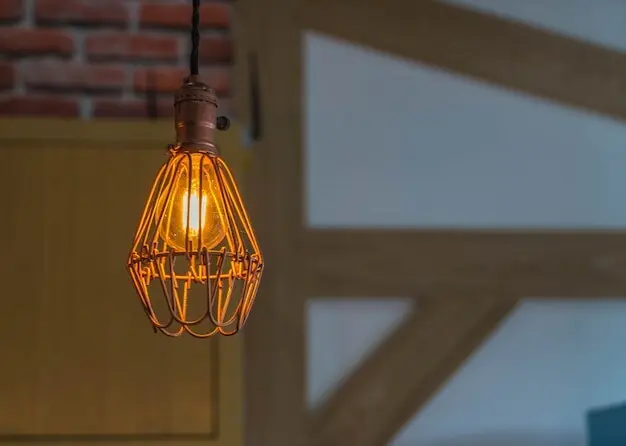
Complete the experience with gentle illumination, seasonal refreshes, and community inspiration. Battery picture lights, adhesive-backed pucks, or clamp-on shelves add glow without drilling. Rotate pieces to celebrate milestones and reduce sun exposure on favorites. Document changes to learn your preferences. Invite feedback, trade tips, and compare layouts with friends. When your display becomes a living practice, not a single performance, creativity flows more easily. Damage-free systems make iteration joyful, letting you refine, celebrate, and share without anxiety or irreversible commitments.
Pexikarodavo
Privacy Overview

This website uses cookies so that we can provide you with the best user experience possible. Cookie information is stored in your browser and performs functions such as recognising you when you return to our website and helping our team to understand which sections of the website you find most interesting and useful.